Fragrance Manufacturer in India
Finding the right fragrance manufacturer in India can make or break your product line, even if it feels small at first. Like when you're launching a perfume brand, sourcing agarbatti aroma for an incense business, or suddenly needing bulk industrial fragrance for soaps and detergents. This guide sort of walks you through what actually separates a genuine manufacturer from a reseller, how to pick between fragrance categories, and what you should really check before you place a bulk order.
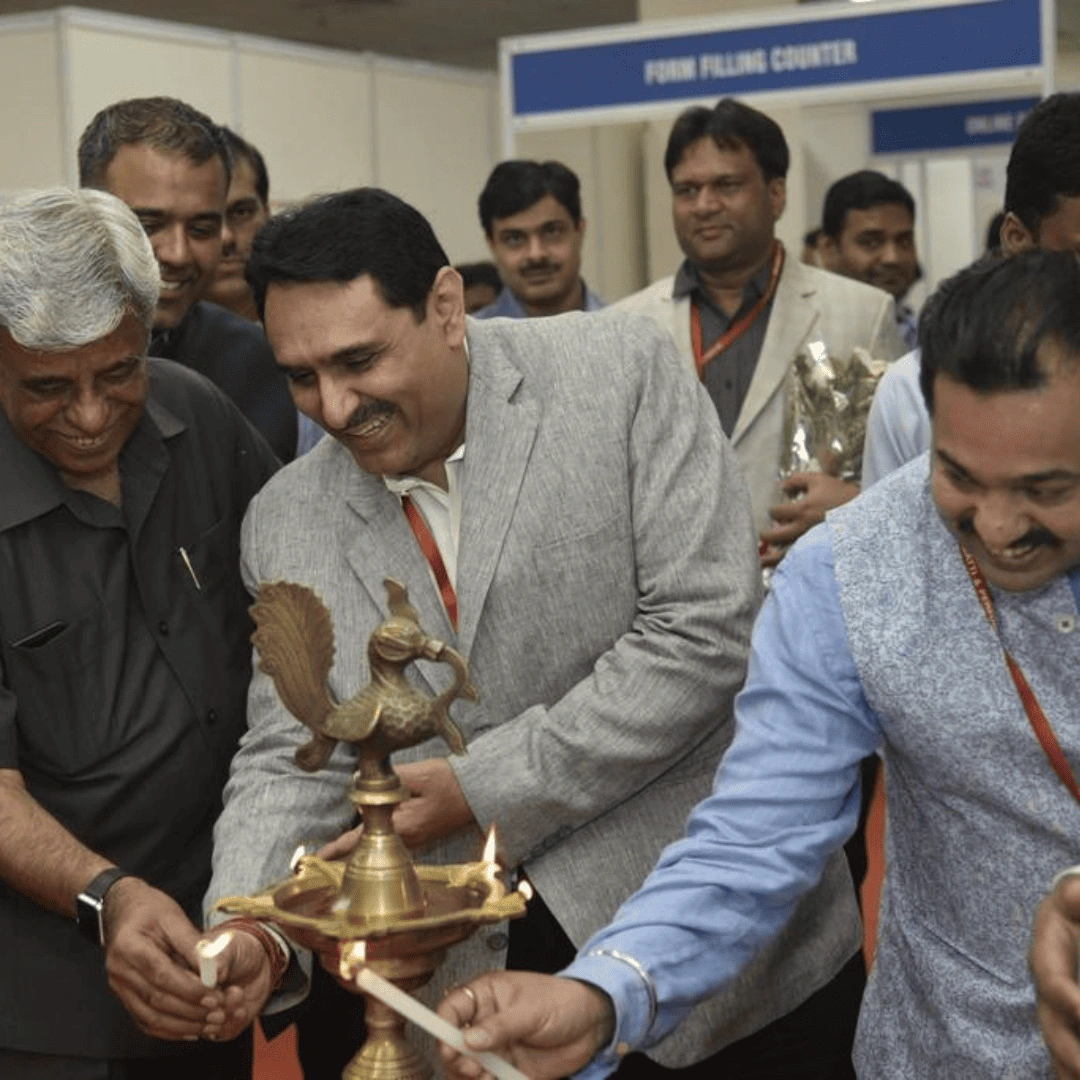
Seth Trading Company has operated as a direct fragrance manufacturer and supplier from Delhi since 1994, working with personal care brands, cosmetic companies, agarbatti producers, and industrial clients across India and 20+ export markets. This page brings together three decades of formulation experience into a practical resource for anyone sourcing fragrance compounds in India.
What Does a Fragrance Manufacturer Actually Do?
A genuine manufacturer does the fragrance compounds right on site, in-house kind of, mixing aromatic chemicals, essential oils, plus natural extracts into one finished product that is ready for your specific use. This is a bit different from a trading company that basically resells fragrances, already made by other producers, without really making them themselves.
A quality manufacturer typically offers:
- In-house perfumers who design custom scent profiles
- Batch consistency through controlled formulation processes
- Standard-compliant ingredients for cosmetic and personal-care use
- Sampling and R&D support before you commit to bulk volumes
- Direct factory pricing without reseller markups
When you are checking suppliers, try asking straight out if they formulate themselves on-site or if they pull finished fragrance from some outside third party. That response pretty much changes everything about how pricing lands, how consistent the scent ends up being, and how much true customization is actually possible.
Fragrance Manufacturer vs. Fragrance Trader: Know the Difference
This is the single most important distinction to get before sourcing, for real.
A manufacturer: owns the formulation process, not a "maybe" thing. They can tune a scent profile, diagnose a batch issue, and keep a steady result, because they control every input. Pricing is usually more competitive too, since there isn't some middleman margin sitting in between.
A trader or reseller: will buy finished fragrance in large quantities and resell it, a lot of times under their own label. They might show a broader catalog, on paper at least, but they generally cannot do any custom formulation or sort of tweak the recipe. And the batch-to-batch consistency, well that depends almost completely on whoever is supplying them upstream, not on the reseller themselves, so they don't actually control it.
For the brands that need custom scent development, or maybe a steady kind of consistency across large orders, plus export documentation support too, working directly with a manufacturer is almost always the better long term choice.
Types of Fragrance Compounds: Choosing the Right Category
Fragrance manufacturing in India spans several distinct categories, each formulated differently depending on the end use.
Agarbatti and Incense Fragrance
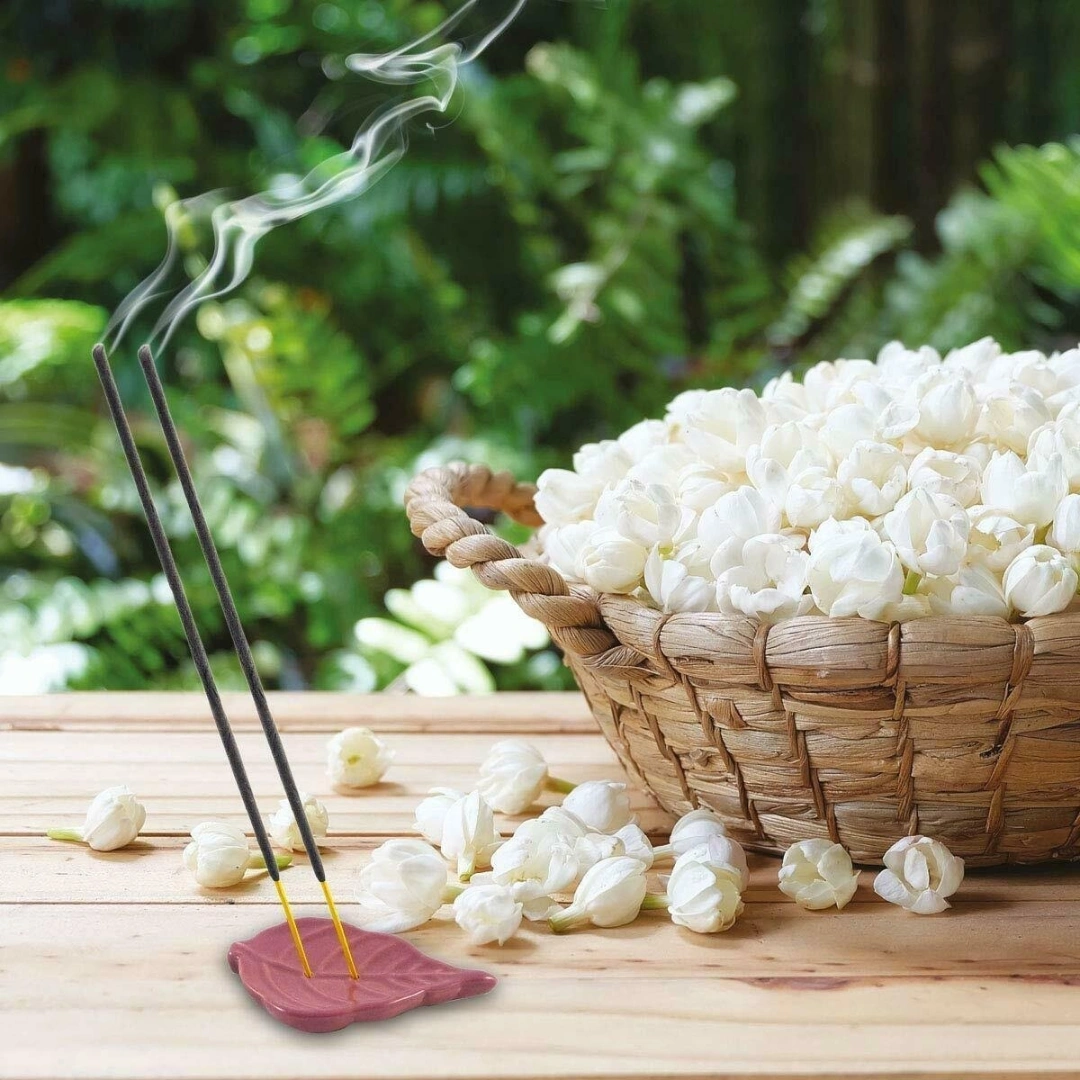
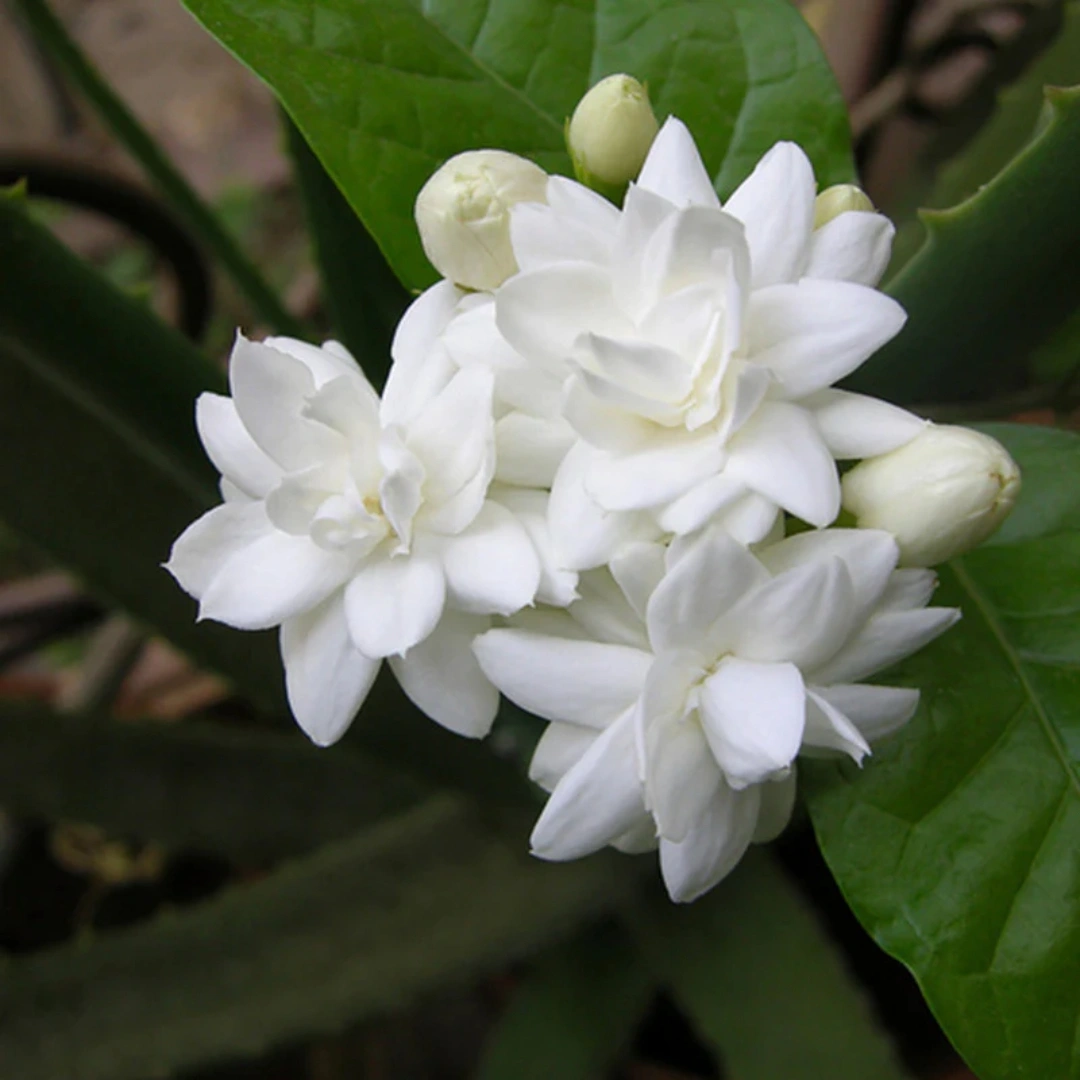
In agarbatti, dhoop, and sambrani items, these compounds get put together so the burn stays feeling steady, and also so the aroma lingers around a bit longer, it sort of stays in the air. You will usually notice scent profiles like rose, jasmine, mogra, sandalwood, and mixed blends too, for example Bharat Wasi, or Panchavati type.
Fine Fragrance and Attar
This category covers perfume grade compounds and also traditional attar mixtures, oud, cigar, romance like scents, and floral and musk vibes. They need higher grade aroma chemicals, plus a more precise blend, because in practice they're worn right on skin, or maybe used in premium perfume bottles.
Cosmetic Fragrance
Made specifically for soaps deodorants body mists and skincare products, so the cosmetic grade fragrance has to be standard-compliant and skin safe, because nobody wants any nasty surprises. The usual scent profiles you might see are lavender, cologne, chypre and lilac.
Aroma Oils and Reconstituted Essential Oils
Used in aromatherapy, wellness products, and kind of natural personal care, this category includes things like lemongrass, eucalyptus, citronella, patchouli, and geranium, and it is often mixed to imitate or just to enhance natural essential oil profiles.
Home and Industrial Fragrance
So this is mostly about room fresheners, car fresheners, detergents, and institutional cleaning products, you know the usual stuff. These compounds are formulated for strength and lasting power in the air, or on fabric, but not really for skin contact. They're generally provided in bigger amounts too.
Which one do you need? If you are building a personal care or perfume brand, maybe start with fine fragrance or cosmetic fragrance, depending on where you want to land first. If you are in the incense business then agarbatti fragrance is your lane, not the other one. Industrial and home care brands should look at room/home fragrance formulations that are built for higher throughput and better shelf stability, not just "nice smell" for a minute.
What to Look for in a Fragrance Manufacturer
Not every manufacturer is equipped to handle every type of order here's what actually matters when evaluating one:
- Formulation Capability: Can they really craft a fragrance from scratch based on your brief, or do they just stick to pre-existing profiles? Custom development matters a lot if you want a signature scent that feels noticeably different for your brand.
- Compliance and Certification: For cosmetic and personal-care use, it is not optional to be Standard compliant. Ask up front for the quality certificates and for safety documentation too, especially if you are exporting, because otherwise it gets kind of risky.
- Sampling Turnaround: A manufacturer that has its own R&D room should be able to crank out samples in just a few working days, most times. If you keep seeing long delays at the sampling stage, it usually means there is some sort of capacity snag or formulation trouble hiding there, and yeah, it will probably pop up again once you move to bulk scale.
- Bulk Supply Consistency: Ask how they maintain consistency across large production runs. Reputable manufacturers use standardized formulation records and quality checks at each batch, not just at final dispatch.
- Export Experience: If you plan to sell internationally, your manufacturer needs to handle export documentation, safety data sheets, and compliance paperwork for your target markets — this isn't a given with smaller regional suppliers.
- Industry Standing: Manufacturers that are part of industry bodies, like the Fragrances & Flavours Association of India (FFAI), Sugandh Vyapaar Sangh, or the Essential Oils Association of India, usually stay up to date on the latest regulatory changes and safety standards, so compliance risk for you later on gets a bit reduced.
Bulk Fragrance Sourcing: What to Expect
For brands sourcing fragrance in volume, the process typically follows five stages:
- Brief submission: You share your application, your target consumer, and the scent direction you want.
- Formulation and sampling: The manufacturer develops one or more profiles, and sends samples out, usually within 3–5 working days.
- Feedback and refinement: You go ahead and test the sample in your live product base, like soap, agarbatti stick, perfume alcohol, and such, then request adjustments if it is actually needed.
- Bulk production: Once approved, the formulation is scaled to your required volume , with quality checks happening at each stage.
- Delivery or export: Domestic orders get shipped pan-India, while export orders include documentation, safety data sheets, and shipping coordination.
Minimum order quantities vary quite a bit across category and manufacturer, agarbatti along with home fragrance usually stick to lower MOQs than highly customized fine fragrance or attar blends though, because the latter really need more exact formulation work each batch.
Domestic Supply vs. Export: Different Requirements
If you're sourcing for the Indian market alone, your priorities are pricing, consistent domestic delivery, and responsive after-sales support for reformulation if needed.
If you are exporting, you will also need a manufacturer that is pretty experienced with the whole international compliance thing. Think standard documentation, safety data sheets that are specifically tuned for the destination market rules, and freight or export coordination that actually stays reliable. Not every domestic manufacturer is set up for this kind of work, so it's worth double-checking the export track record before you commit to any supplier for an international product line.
Common Mistakes When Sourcing Fragrance in India
- Choosing solely on price: The lowest-priced quote usually comes from some trader that resells lower-grade compounds. Cheap fragrance often ends up meaning less lasting power, weirdly inconsistent batches, or ingredients that are kind of not compliant, and yep all of that will cost more to tidy up later than what they saved right up front.
- Skipping the sampling stage: Never move to bulk production without testing a sample in your actual product base. A fragrance can smell excellent on its own and behave completely differently once blended into soap, agarbatti paste, or alcohol-based perfume.
- Not asking about standard compliance upfront: This turns into a serious problem only at the part of retail listing, export customs, or regulatory audit, which is really way too late to patch cheaply.
- Assuming all "manufacturers" formulate in-house. Many suppliers use the word loosely. Ask directly, and ask for a facility or process overview if it matters to your sourcing decision.
How to Choose the Right Fragrance Manufacturer: Quick Checklist
- Application: Confirm which fragrance category matches your product (cosmetic, agarbatti, industrial, fine fragrance).
- Customization needs: Decide if you need a bespoke scent or an existing profile will work.
- Compliance requirements: Confirm Standard compliance and certification availability, especially for cosmetic or export use.
- Sample-to-bulk timeline: Ask how long sampling takes and how it scales into production.
- Order volume: Clarify MOQs and whether they align with your business stage.
- Export capability: If applicable, confirm documentation and shipping experience for your target markets.
- Track record: Look for years of operation, client industries served, and industry-body involvement as trust signals.
Why Brands Choose Seth Trading Company
Seth Trading Company has operated as a direct fragrance manufacturer in India since 1994, like straight forwardly. In our in-house space, perfumers develop over 100 fragrance profiles across agarbatti, fine fragrance, cosmetics, aroma oils, and industrial categories too, not just one lane. We serve more than 500 brands across India and also ship to 20+ countries, while all cosmetic-grade compounds are formulated following Standard guidelines. Our management team holds leadership roles with the Fragrances & Flavours Association of India, Sugandh Vyapaar Sangh, and the Essential Oils Association of India, so our involvement in industry standards and regulatory practice keeps going constantly.
Whether you're after one custom fragrance for a fresh product launch, or you need steady bulk supply for an already established brand. Our team takes care of the formulation part, plus sampling and production, all from our Delhi facility, and we've got pan-India delivery with export support quietly built into each order.
Request a free fragrance sample on WhatsApp: +91 98997 70689
.png "Seth Trading Company")



.jpg "Crafting Fragrance Excellence Since 1994")


.webp "Bharat Darshan Agarbatti Fragrance Manufacturer and Supplier in Bhilwara")
.webp "Panchavati Type Fragrance Manufacturer and Supplier in Bhilwara")
.webp "Cigar Type Fragrance Manufacturer and Supplier in Bhilwara")

.webp "Drakkar Fragrance Manufacturer and Supplier in Bhilwara")
.webp "Flower Fragrance Manufacturer and Supplier in Bhilwara")
.webp "Oud Fragrance Manufacturer and Supplier in Bhilwara")
.webp "Velvet Fragrance Manufacturer and Supplier in Bhilwara")
.webp "Lilac Fragrance Manufacturer and Supplier in Bhilwara")